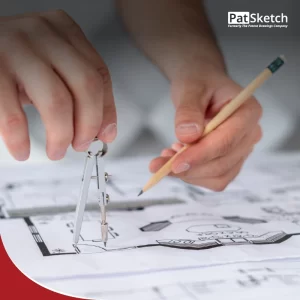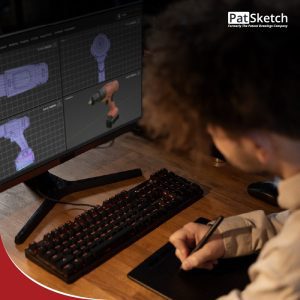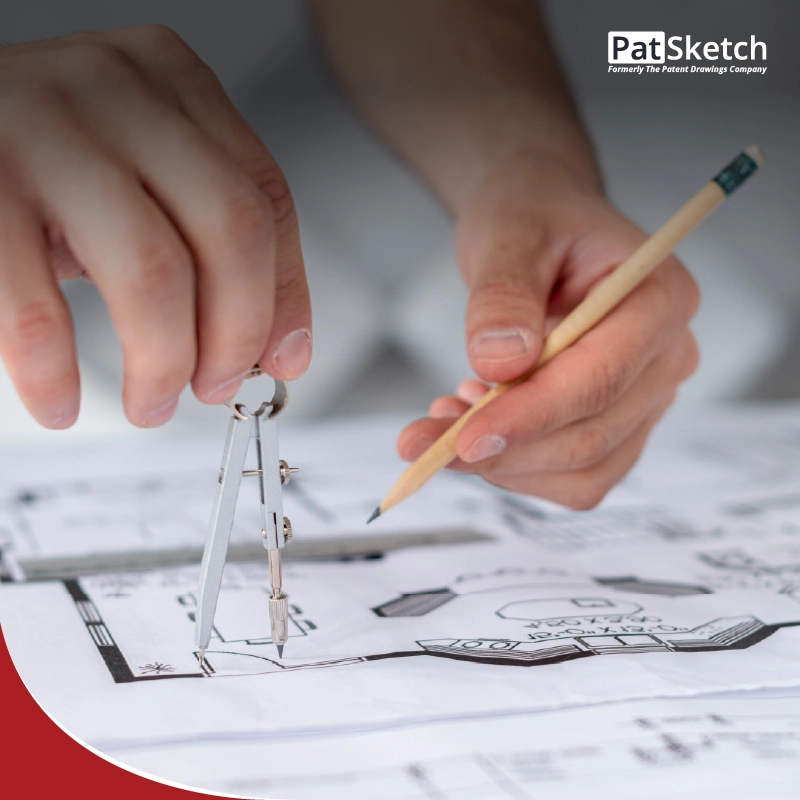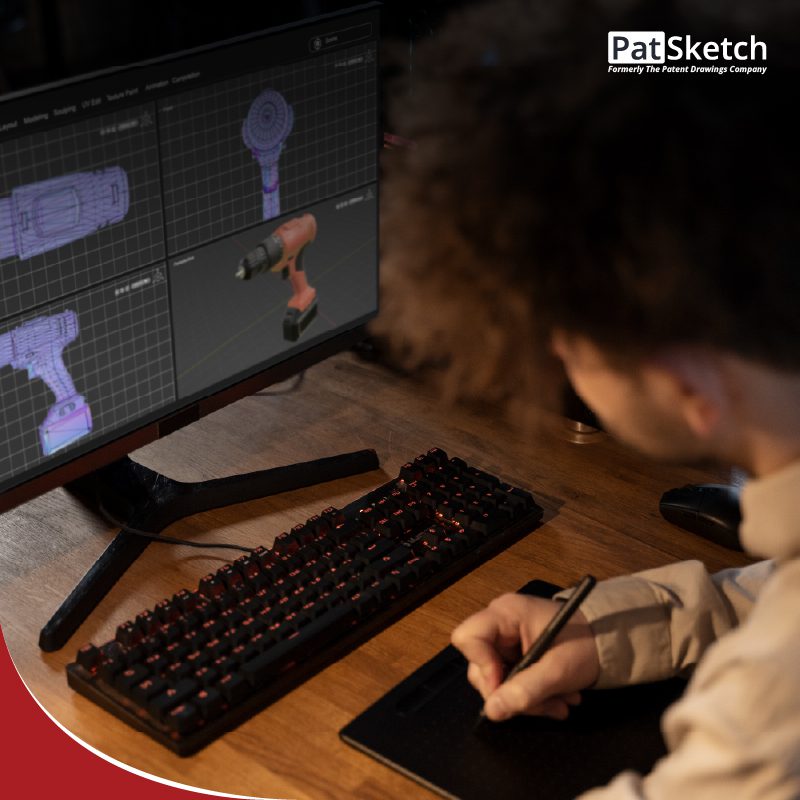
Patent drawings play an essential role in the patent application process. They provide a visual representation of the invention and its components, enabling patent examiners and potential licensees to better understand the invention and its function. However, creating patent drawings can be a complex and time-consuming process, requiring a high level of technical skill and accuracy. With the increasing use of 3D modeling technology, patent drawing companies are now able to provide more precise and detailed drawings, offering numerous advantages over traditional 2D drawings.
In this article, we will explore the advantages of utilizing 3D modeling in patent drawings and the process of creating 3D models for patent applications.
Table of Contents
ToggleImproved Accuracy
One of the primary advantages of utilizing 3D modeling in patent drawings is improved accuracy. 3D modeling technology enables greater precision and accuracy in depicting the invention and its various components. This is particularly important for complex inventions with numerous components, where even small discrepancies in the drawings can have significant implications for patentability.
3D models provide a more realistic and detailed visualization of the invention than 2D drawings, enabling patent examiners and potential licensees to better understand the invention and its function. 3D models also offer more accurate scaling and measurements, allowing patent examiners to assess the invention’s dimensions more precisely.
This is particularly important for inventions where size is a critical factor, such as medical devices or electronic components. The ability to accurately depict the invention’s size and shape can significantly impact the patent’s scope and the inventor’s ability to protect their invention.
Better Visualization
Another significant advantage of 3D modeling in patent drawings is the ability to provide a better visualization of the invention. 3D models enable patent examiners and potential licensees to view the invention from various angles and perspectives, providing a more comprehensive understanding of the invention’s functionality.
This is particularly important for inventions where the components’ relationships are critical, as 3D models can more accurately depict the interactions between the components. 3D models also offer the potential to provide interactive visualizations of the invention.
This can be particularly useful for complex inventions or inventions with multiple components, where an interactive visualization can provide a more intuitive understanding of the invention’s functionality. Interactive visualizations can also be used to demonstrate the invention’s use, potentially increasing the invention’s value to potential licensees.
Cost Savings
3D models can also provide cost savings in patent drawing creation. 3D models can be used to create multiple views and perspectives, reducing the need for additional drawings and potentially lowering costs. This is particularly important for inventions where multiple views are necessary to fully depict the invention’s components and functionality. In addition, 3D models can be used to create animations or videos that can be used to demonstrate the invention’s functionality, potentially reducing the need for additional written explanations.
Faster Revisions
Another advantage of utilizing 3D modeling in patent drawings is faster revisions. 3D models can be easily edited and revised, enabling patent drawings to be updated more quickly and efficiently. This is particularly important in the patent application process, where time is of the essence, and revisions may be necessary to meet USPTO requirements. The ability to quickly and efficiently revise patent drawings can potentially save significant time and money in the patent application process.
Useful for Provisional Applications
3D modeling is particularly valuable at the provisional patent application stage, where speed and conceptual clarity are essential. Although formal, patent-office-compliant drawings may be submitted later, 3D renders can help illustrate the invention clearly and thoroughly in early disclosures.
These visuals support a more complete understanding of the invention’s structure and functionality, helping ensure that critical aspects are adequately captured in the provisional filing and reducing the risk of gaps in disclosure.
Reduces Risk of Office Action
Clear and well-structured drawings play a major role in avoiding office actions related to drawing objections. When patent examiners can easily understand the invention through consistent, accurate visuals, the likelihood of requests for clarification or replacement drawings is significantly reduced.
By using 3D modeling as the foundation for patent drawings, inventors and attorneys can improve visual clarity, reduce ambiguities, and support a smoother examination process, helping save time during prosecution.
Conclusion
The advantages of utilizing 3D modeling in patent drawings are numerous, including improved accuracy, better visualization, cost savings, and faster revisions. 3D models offer a more precise and detailed visualization of the invention and its components, enabling patent examiners and potential licensees to better understand the invention and its function.
The ability to create multiple views and perspectives more efficiently than with traditional 2D drawings can potentially reduce the time and cost required to create patent drawings while also providing more accurate and detailed visualizations of the invention. Overall, the use of 3D modeling technology in patent drawings offers significant advantages and is becoming increasingly common in the patent application process.